A suspect case of COVID-19 is defined by WHO as a patient with an acute respiratory illness and has been in contact with a confirmed or probable COVID-19 case in the last 14 days prior to the onset of symptoms. It was first identified in Wuhan, Hubei in China. World Health Organization declared COVID-19 as a pandemic last March 11, 2020. Based on over 55,000 laboratory-confirmed cases of COVID-19, the most typical clinical signs and symptoms include fever, dry cough, fatigue, phlegm production, shortness of breath, muscle pain, and headache. Some cases progress into severe respiratory problems such as pneumonia, and some even lead to potential multiple organ failure. According to WHO, the risk of developing a severe form of COVID-19 is higher in patients over 60 years and with co-morbidities, such as diabetes, cancer, and cardiovascular disease.
The virus is spread from person-to-person, between people who are in close contact with one another (within about 6 feet), and/or through respiratory droplets produced when an infected person coughs or sneezes. According to Center for Disease Control and Prevention (CDC), it may also be possible that a person can acquire COVID-19 by touching a surface or object that has the virus on it and then touching their own mouth, nose, or possibly their eyes, although it is not thought to be the main way on how the virus spreads.
There is no exact treatment measure done in order to cure COVID-19. The treatment plan varies from patient-to-patient. Medical professionals recommend paracetamol over ibuprofen for the first-line of use. Though the World Health Organization does not oppose the use of non-steroidal anti-inflammatory drugs (NSAIDs), and the Food and Drug Administration stated that there is no sufficient evidence to support the claim that NSAIDs worsens COVID-19 symptoms. Patients having the worst case of COVID-19 are confined in the ICU. They are either given a nasal mask that delivers high-flow humidified oxygen. If breathing worsens, the patient is intubated, where oxygen is delivered by a ventilator. These patients are sedated until their lungs recover enough to work without the help of a machine. If in some cases the ventilator does not help, patients are given extracorporeal membrane oxygenation, which effectively outsources the work normally done by the heart and lungs to an external machine. Blood is carried from the body, and carbon dioxide removed and oxygen added before it returns to the patient’s circulation. This is the most advanced form of life support, but also carries the highest risks and the longest recovery times.
The following control measures are done and implemented in order to prevent the acquisition of the disease:
a. Elimination
1. Wash your hands often with soap and water for at least 20 seconds, especially
being in a public place, or after blowing your nose, coughing, or sneezing.
• According to CDC, use a hand sanitizer that contains at least 70% alcohol if soap
and water are not readily available.
• Avoid touching your eyes, nose, and mouth with unwashed hands.
2. Clean and disinfect frequently touched surfaces daily, such as tables, doorknobs,
light switches, countertops, handles, desks, phones, keyboards, toilets, faucets, and
sinks.
• To disinfect, it is recommended by CDC to use either a diluted household bleach (5 tablespoons bleach per gallon of water or 4 teaspoons bleach per quart of water), alcohol solutions (at least 70% alcohol), and other common EPA-registered household disinfectants.
b. Engineering Controls
1. Weekly disinfections are done, varying in each city, by using drones, firehose,
etc., that spray disinfectants on streets, houses, and/or cars.
c. Administrative Controls
1. An Enhanced Community Quarantine (ECQ) in the entire Luzon was declared by President
Rodrigo Duterte last March 16, 2020, and is expected to end on April 14, 2020.
• It is effectively a total lockdown in order to restrict the movement of the population, but with exceptions.
2. The Department of Health strongly suggests that each one of us do ‘social distancing’, or keeping at least 1 meter (3ft) away from each other, especially to those who are coughing or sneezing.
• Multiple establishments, such as groceries and drugstores, have implemented social distancing, by allowing few people at a time to enter their establishment, and maintaining a one-meter distance between customers.
d. Personal Protective Equipment (PPE)
1. As per the CDC, if you are sick, you should wear a facemask when you are around other
people, such as sharing a room or vehicle, and before you enter a healthcare provider’s office.
• If you are not sick, you do not need to wear a facemask unless you are caring for someone
who is sick.
2. For healthcare providers and hospital staff (security guards, janitors, etc.), it is vital that they
are fully covered to prevent their exposure to the virus. They should at least have
face shields, gloves, goggles and glasses, gowns, head covers, masks, respirators, and shoe
covers.
Flattening the curve is the main goal in the prevention of the further spread of the disease. Flattening the curve refers to the community isolation measures that keep the daily number of disease cases at a manageable level for healthcare providers. In epidemiology, flattening the curve refers to the idea of slowing the progression of the virus’ spread so that fewer people need to seek treatment at a given time. The "curve" researchers are talking about refers to the projected number of people who will contract COVID-19 over a period of time.
As there are no current vaccines to prevent COVID-19 or medicines to alleviate, and possibly, totally cure the virus, flattening the curve is only possible through holistic efforts. According to the World Health Organization (WHO), anyone could prevent acquiring the disease by practicing proper handwashing. The Department of Health (DOH) has done various ways to promote proper handwashing, such as making a TikTok video, since the use of the said social media platform has boomed, especially during the Enhanced Community Quarantine (ECQ) period. Social distancing, where people must stay away from each other at a distance of at least 1 meter (3ft) away from each other, has also been practiced on a wide scale and everyday basis. Establishments, such as grocery stores and pharmacies, strictly implement social distancing to reduce the possible spread of the virus.
In a widescale perspective, mass testing maybe considered as one of the best solutions to address this public health emergency. This must be done in order to have an immediate identification of those patients that are affirmative to COVID-19. The Philippine Red Cross had started mass testing last April 14 in Quezon City, as it has the greatest number of COVID-19 cases. Other cities also eyes to conduct and complete mass testing immediately. Cavite governor Jonvic Remulla has recently announced last April 16 that almost everyone in Cavite will be part of the provincial government’s project of mass testing, with the Persons Under Investigation (PUIs) and Persons under Monitoring (PUMs) at its top priority.
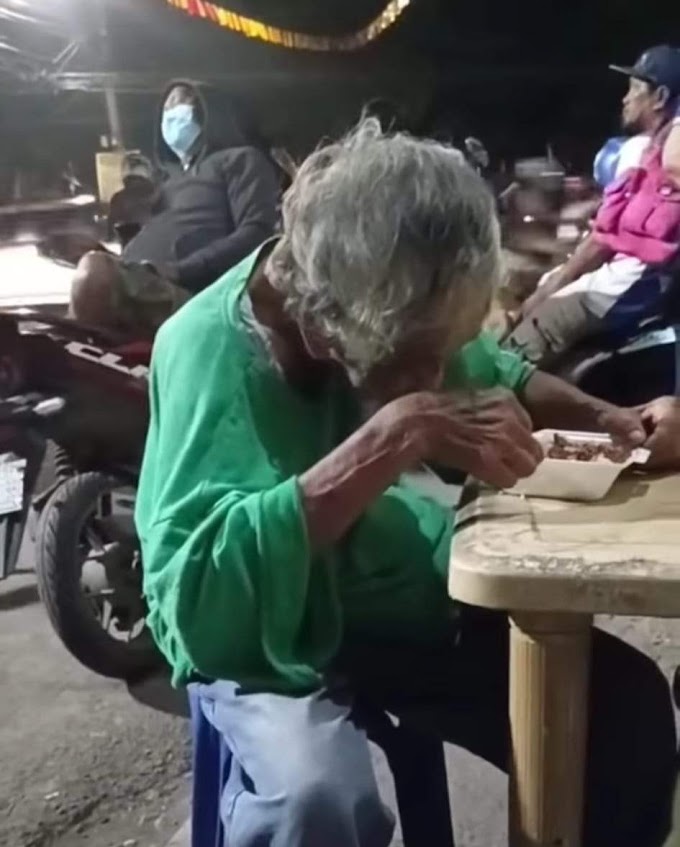
Mass testing must not be the only priority during the pandemic. It is also important to remember that most Filipinos are from the marginalized sector and that their socioeconomic status becomes a heavier weight that they have to carry as they face the COVID-19 crisis every day. That is why these Filipinos, who rely on the help they receive from the government, should not be vindicated for being poor, but we should show empathy, at the very least, because not all has the ability to still live ‘normally’, especially during a crisis like COVID-19 pandemic. According to the budget report released, most of the crisis funds will be dedicated to help the marginalized sector. There are various programs, such as the Social Amelioration Program (SAP) and Pantawid Pamilyang Pilipino Program (4Ps) conducted by the Department of Social Welfare and Development (DSWD), which seeks to provide financial aid to the Filipinos qualified for the program. There are also relief operations conducted in various cities, that aids the families with food that they could eat during the quarantine period. While the government, whether local or national, is compelled upon to take action to help the Filipinos, it is important that these actions are carried out with consistency and fairness. Programs are not for show-only, but it is designed to actually help all Filipino people to survive this pandemic, both in the medical and socioeconomic aspects.
WHO advocates the whole-government approach in dealing with the crisis because not only the health sector is affected, but every aspect of the country is. The COVID-19 pandemic must have had reduced effects if there were enough cooperation and support between the government of each country and its health office. It is not solely the job of the health sector to prevent the spread of this disease, but the prevention of this pandemic demands the collective effort of the health sector, the government, and most especially, its people. Proper allocation of resources, whether it be medical, financial, or human, is a must during these unfortunate events. It is also important to instill discipline within ourselves, by simply maintaining good health and staying at home as much as possible, in order to prevent the further communicability of the disease.